Recycling and Sustainability for Landscaping Blackwall
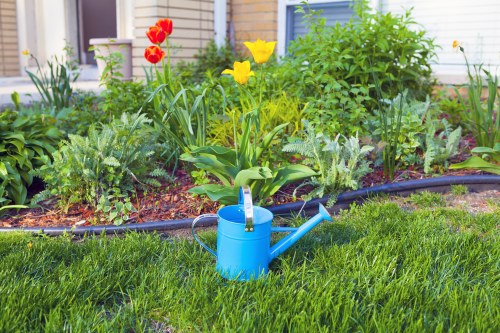 At Landscaping Blackwall, sustainability is built into the way outdoor spaces are planned, maintained, and renewed. Our approach to landscaping Blackwall focuses on reducing waste, reusing materials wherever possible, and making sure that green work supports a cleaner local environment. From soil and green cuttings to timber, plastics, and inert rubble, we aim to keep as much as possible out of landfill while helping projects run efficiently and responsibly.
Our recycling programme is guided by a practical target: we aim to recycle or repurpose at least 85% of all suitable green waste and project-related material generated through our operations. This includes compostable cuttings, branches, turf, wood offcuts, and selected packaging streams. For landscaping in Blackwall, that means less disposal, more recovery, and a better use of local resources. We also work to separate waste at source, which helps improve recycling quality and reduces contamination.
Blackwall sits within a wider borough network where waste separation is increasingly important, and that local context shapes how we work. In many boroughs across East London, recycling systems encourage residents and businesses to sort paper, metals, plastics, glass, food waste, and green waste carefully before collection or drop-off. Landscape Blackwall projects benefit from the same principle: better sorting means more material can be processed through the correct stream, whether that is composting, reuse, or specialist recycling.
 A key part of our sustainability plan is using local transfer stations and licensed recycling facilities for responsible disposal and recovery. By prioritising nearby sites where possible, we help reduce transport distances and keep operations more efficient. Local transfer stations are useful for separating soil, hardcore, timber, and mixed green waste, while also ensuring that recyclable fractions are directed to the right processors. This supports our commitment to lower emissions and a cleaner logistics chain for Blackwall landscaping projects.
We also look closely at materials that can be reused before recycling becomes necessary. Good-quality soil can often be screened and returned to site, stone can be regraded for edging or base layers, and healthy plant waste may be turned into mulch or compost. In practice, landscaping Blackwall services can create a positive loop: waste from one project becomes a resource for another. That circular approach is especially valuable in dense urban areas where storage space is limited and efficient material handling matters.
 Our teams separate waste streams during active work so that recyclable items are not mixed with general rubbish. This can include segregating cardboard, plastic wrapping, metal fixtures, untreated wood, and organic cuttings. Where borough rules require specific separation methods, we adapt our working practices accordingly. This attention to detail is important for Blackwall landscaping, because local waste systems often depend on clean, correctly sorted loads to achieve high recycling outcomes.
Partnerships with charities are another important part of our sustainability work. Items in usable condition, such as planters, paving pieces, garden tools, trellises, topsoil bags, or decorative features, may be suitable for donation through community charities, reuse groups, or local environmental initiatives. Rather than sending everything straight to disposal, we look for opportunities where materials can support community gardens, training projects, or charitable refurbishment schemes. This helps extend the life of resources and gives surplus items a second purpose.
We also support low-carbon transport across our work. Our low-carbon vans are selected to reduce fuel use and emissions, and they play a major role in lowering the environmental impact of regular site visits and material movements. For landscaping in Blackwall, where traffic and congestion can add to emissions, efficient routing and cleaner vehicles make a meaningful difference. The aim is to cut unnecessary mileage, reduce idling, and make every journey part of a more sustainable service.
In addition to greener vehicles, we plan deliveries and collections carefully so that loads are consolidated whenever possible. That means fewer trips, less fuel consumption, and better coordination with recycling centres and transfer stations. This logistics-first approach supports our wider sustainability goals and helps ensure that Landscaping Blackwall remains practical, responsive, and environmentally responsible in the long term.
Another aspect of responsible Blackwall landscaping is choosing materials with a longer life cycle. Where suitable, we favour durable products that can be cleaned, repaired, or reused rather than replaced too often. Timber offcuts can sometimes be repurposed for edging, raised beds, or temporary protection. Stone and brick can be recovered from site for future projects. Even green waste, when handled correctly, becomes part of a wider soil-improvement and composting system that benefits local planting schemes.
We also recognise the borough-wide importance of waste awareness. Many local residents and businesses are already familiar with separating recycling into distinct bins or collection streams, and that culture of sorting helps us work more effectively on site. For Landscaping Blackwall, this means aligning our own processes with the standards expected in the area: clean separation, responsible disposal, and maximised recovery. It is a simple idea, but it has a powerful effect on landfill reduction and resource efficiency.
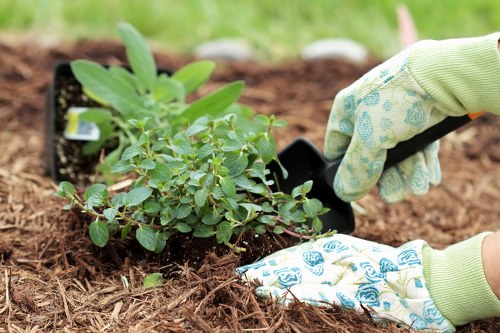 Our recycling and sustainability practices are not a separate add-on; they are part of the service itself. By combining waste separation, local transfer station use, charity partnerships, and low-carbon vans, we can deliver landscaping Blackwall work that supports both the local environment and broader carbon-reduction goals. This is how we keep projects tidy, efficient, and forward-thinking while making sure that environmental responsibility remains central from start to finish.
 Looking ahead, we will continue to improve our recycling percentage target, expand reuse opportunities, and strengthen partnerships that benefit the community. Sustainable landscape Blackwall practice is about more than managing waste: it is about designing every stage of the process so that materials, transport, and disposal all work in a lower-impact way. For a busy urban area, that means cleaner sites, fewer wasted resources, and a greener future for everyone involved.