Health and Safety Policy for Landscaping Blackwall
 Landscaping Blackwall is committed to maintaining a safe, healthy, and well-managed working environment for employees, contractors, clients, and members of the public. This policy sets out the standards that guide our landscaping operations, from routine grounds maintenance to planting, turf care, pruning, and hard landscaping tasks. Our approach is based on prevention, awareness, and responsibility, ensuring that safety is considered at every stage of the work.
We recognise that landscaping activities can involve manual handling, powered equipment, sharp tools, soil movement, trips, falls, noise, dust, chemicals, and changing weather conditions. For that reason, landscaping health and safety is embedded into planning, supervision, training, and daily work practices. Every task is assessed before it begins so that hazards are identified and controlled in a practical way.
 The aim of this policy is to reduce risk while supporting high standards of workmanship and professionalism. All personnel are expected to act with care, report concerns promptly, and follow safe systems of work. In this way, Landscape Blackwall can deliver reliable services without compromising wellbeing or quality.
Risk assessment is central to our safety culture. Before work starts, supervisors consider the nature of the site, the equipment to be used, access routes, underground or overhead hazards, public exposure, and weather-related issues. Where necessary, work may be adjusted, delayed, or carried out in stages to maintain control. This applies equally to small domestic gardens and larger commercial grounds.
Safe use of tools and machinery is essential. Staff are required to use equipment only when trained and authorised, and all tools must be inspected before use. Defective items are removed from service until repaired or replaced. Guards, protective features, and operating instructions must always be followed. Hard landscaping safety measures are also applied during tasks involving cutting, lifting, digging, or moving materials.
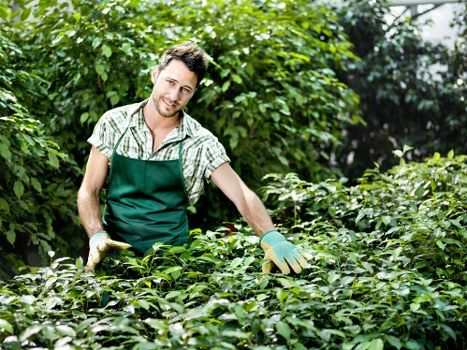 Manual handling is managed through planning, teamwork, and the use of suitable aids where possible. Heavy loads such as soil, paving, timber, plants, and waste materials must be lifted using correct techniques and, where appropriate, mechanical assistance. We encourage a steady pace, clear communication, and realistic scheduling so that workers are not rushed into unsafe decisions.
Personal protective equipment is provided and used according to the task. Depending on the work involved, this may include gloves, protective footwear, eye protection, hearing protection, high-visibility clothing, and weather-appropriate outerwear. PPE is not a substitute for safe working methods, but it remains an important final layer of protection in Blackwall landscaping operations.
Environmental conditions are monitored carefully. Wet surfaces, uneven ground, wind, heat, frost, and poor visibility can all increase the likelihood of accidents. Work should be paused or modified when conditions become unsafe. Hydration, rest, and suitable clothing are encouraged during prolonged outdoor tasks, particularly in physically demanding periods. Weather awareness is part of everyday site management.
Hazardous substances, including fuels, oils, fertilisers, weed treatments, and cleaning products, must be handled with care. Safety data, storage instructions, and application guidance should be followed at all times. Substances are kept secure, labelled correctly, and used only by competent personnel. Spillages, exposure incidents, or unsafe storage conditions must be reported immediately and dealt with without delay.
We also expect strong standards of site conduct. Work areas should be kept tidy, with materials stacked safely and waste removed regularly to reduce the risk of slips, trips, and obstruction. Public areas must be managed with extra caution, using barriers, signage, or temporary controls where needed. In shared environments, communication and courtesy are vital to maintain both safety and trust.
Training and supervision support our safety commitments. New workers receive induction covering core hazards, emergency procedures, safe tool use, and reporting responsibilities. Ongoing refresher training is provided where needed so that skills remain current. Supervisors monitor work practices and intervene when standards are not being met. Safe landscaping practice depends on awareness as much as equipment.
 Emergencies are planned for in advance. First aid arrangements, incident reporting, access to emergency services, and evacuation or stop-work procedures are all understood before tasks begin. Any injury, near miss, or dangerous occurrence must be reported promptly so that action can be taken and lessons can be learned. This helps us improve our controls and reduce the chance of repeat incidents.
All employees, contractors, and subcontractors share responsibility for health and safety. Everyone is expected to work responsibly, follow instructions, and take reasonable care for their own wellbeing and that of others. If a task cannot be completed safely, work must stop until the issue is resolved. This shared duty strengthens our commitment to safe landscaping services and consistent standards across every project.
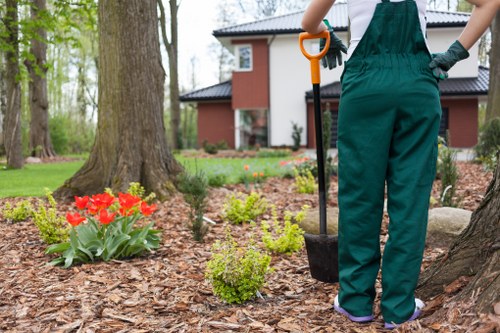 The management team reviews this policy regularly to ensure it remains effective, practical, and aligned with current working methods. As our landscaping services develop, so too will our safety controls, training, and supervision. Our goal is to promote a workplace where risks are managed proactively and every job is completed with care, skill, and respect for safety.